- Amy Howden-Chapman2014
- Ana Iti2020
- Andrew McLeod2007
- Andy Leleisi’uao2010
- Anoushka Akel2024
- Ava Seymour2009
- Ayesha Green2022
- Ben Cauchi2011
- Benjamin Work2024
- Bepen Bhana2016
- Campbell Patterson2015
- Conor Clarke2026
- Cora-Allan Lafaiki Twiss2021
- Dan Arps2014
- Daniel Malone2014
- Emily Karaka2021
- Emma Fitts2018
- Eve Armstrong2009
- Fiona Pardington2013
- Gavin Hipkins2007
- George Watson2024
- Glen Hayward2011
- Imogen Taylor2017
- James Robinson2007
- Jess Johnson2019
- Jim Speers2010
- Juanita McLauchlan2025
- Judy Millar2006
- Kathy Barry2012
- Linda Va'aelua2026
- Lisa Reihana2009
- Liyen Chong2012
- Louie Zalk-Neale2026
- Louise Menzies2016
- Luise Fong2008
- Madison Kelly2024
- Martin Basher2010
- Matthew Galloway2025
- Michael Stevenson2023
- Moniek Schrijer2021
- NELL2023
- Neke Moa2023
- Nicola Farquhar2018
- Oliver Perkins2017
- Owen Connors2023
- Regan Gentry2012
- Richard Frater2020
- Richard Lewer2008
- Rohan Wealleans2008
- Rowan Panther2025
- Ruth Buchanan2013
- Sarah Hudson2025
- Sarah Smuts-Kennedy2016
- Sefton Rani2025
- Sena Park2026
- Sorawit Songsataya2018
- Steve Carr2020
- Suji Park2015
- Syyoung Kim2026
- Tanu Gago2022
- Taro Shinoda2017
- Tiffany Singh2013
- Tim Wagg2019
- Wayne Youle2019
- Zac Langdon-Pole2022
- Zena Elliott2026
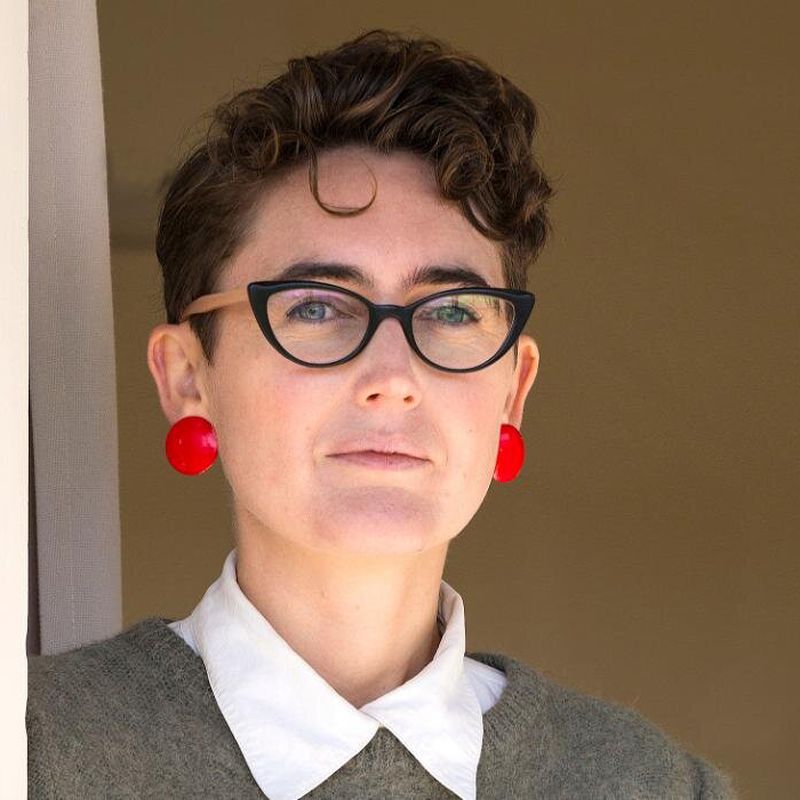
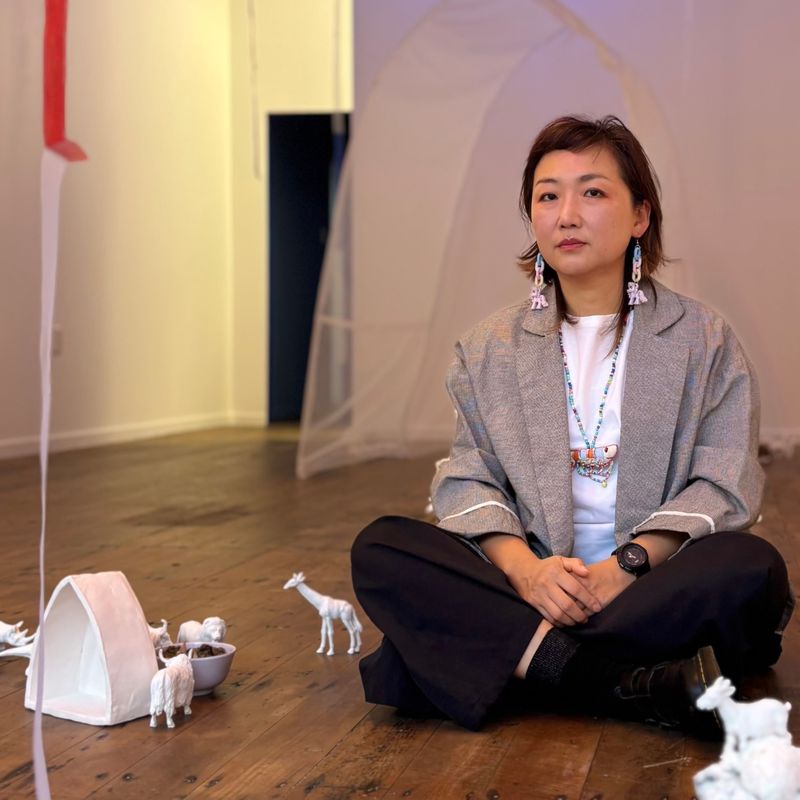
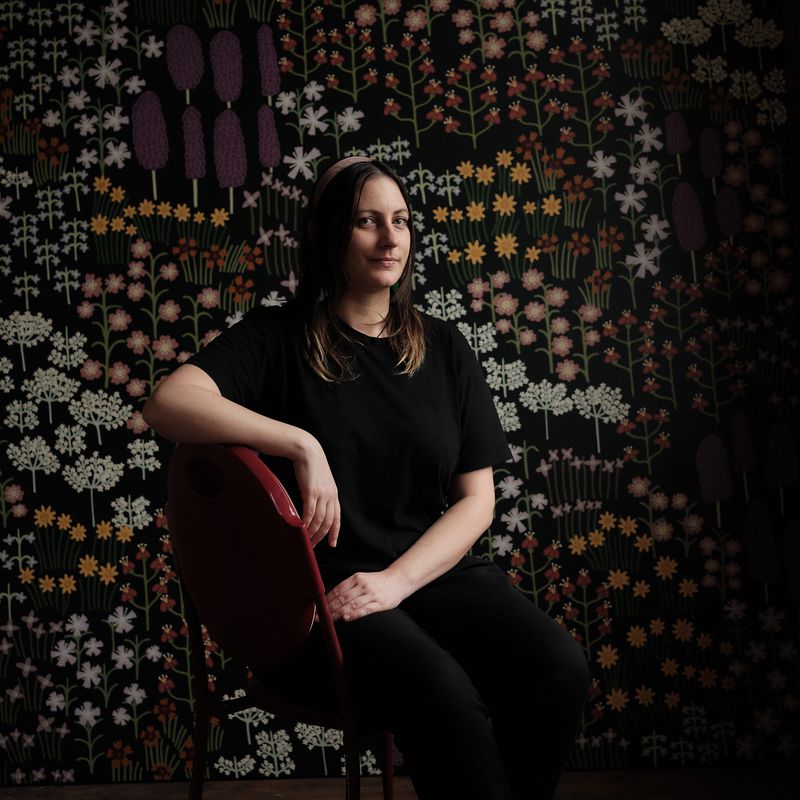
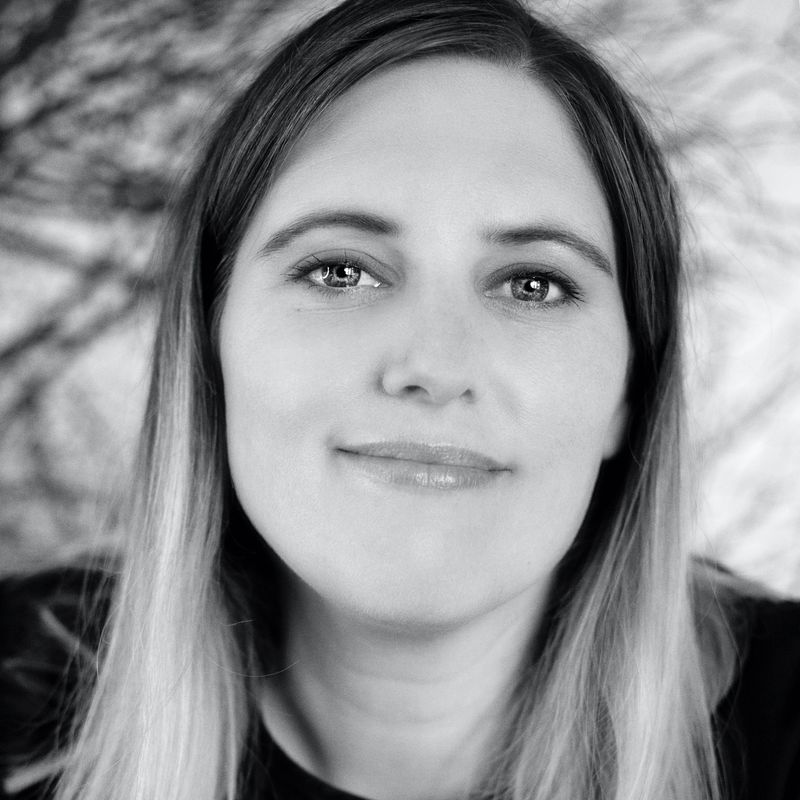
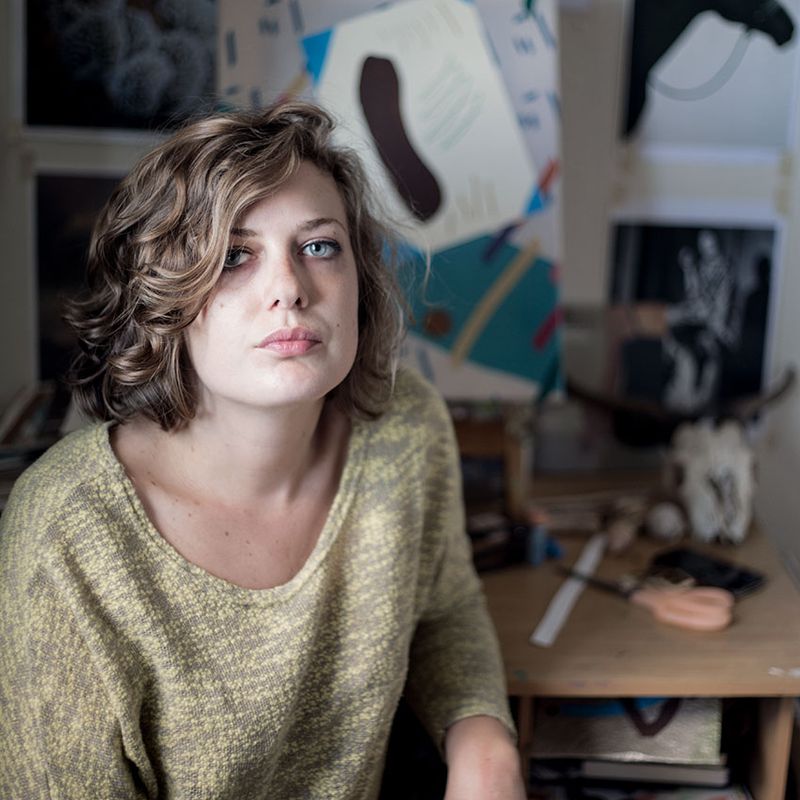
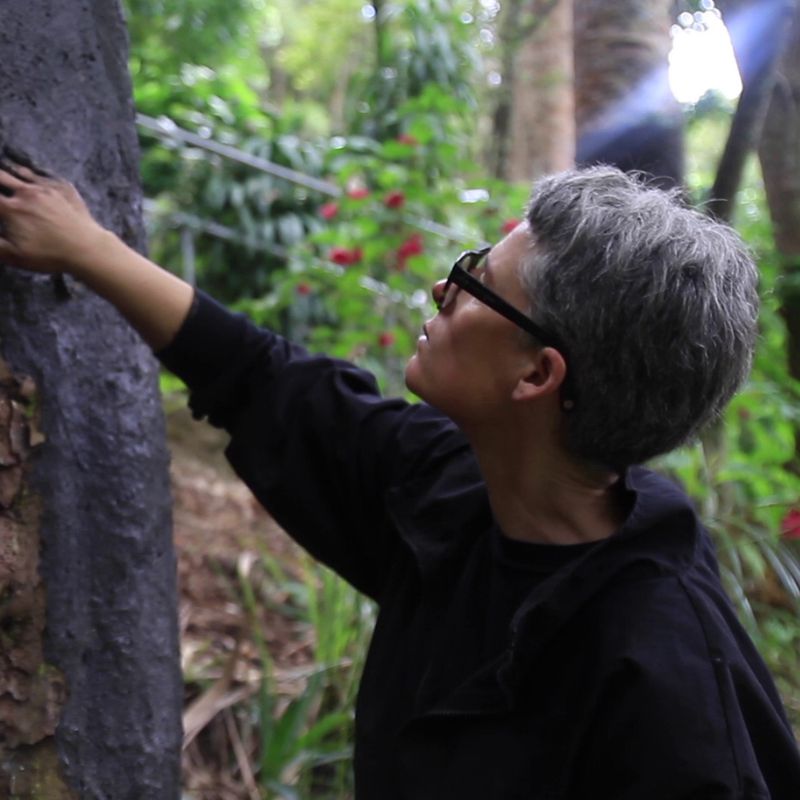
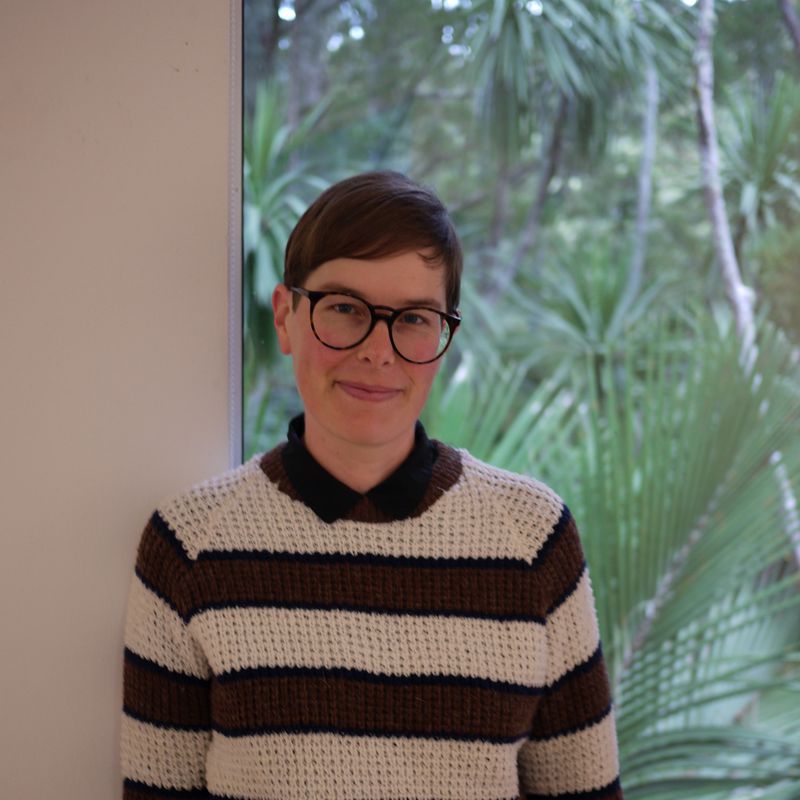
Sena Park
YEAR OF RESIDENCY
August - August 2026
McCahon House x Bundanon Exchange Artist 2026
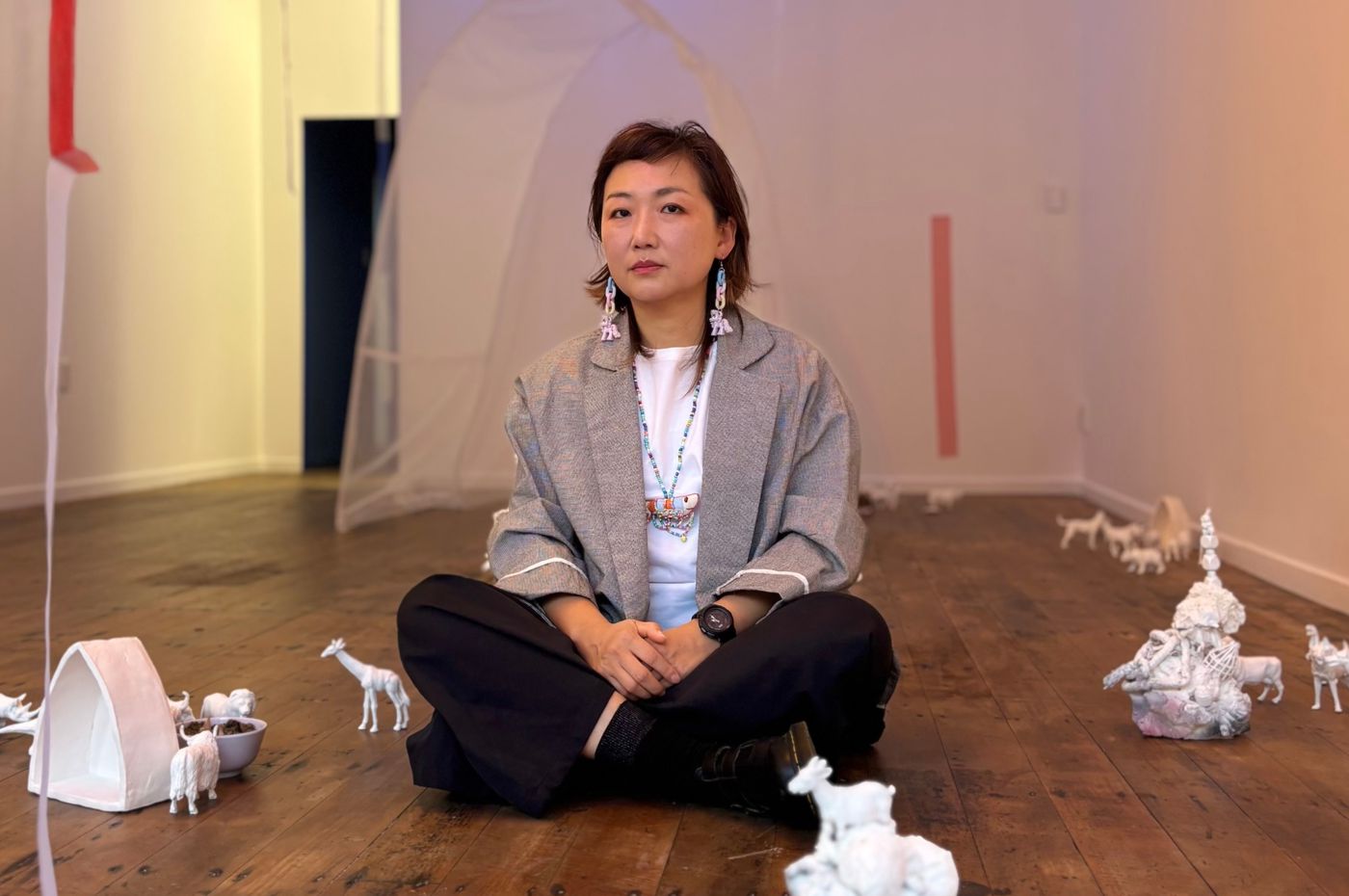
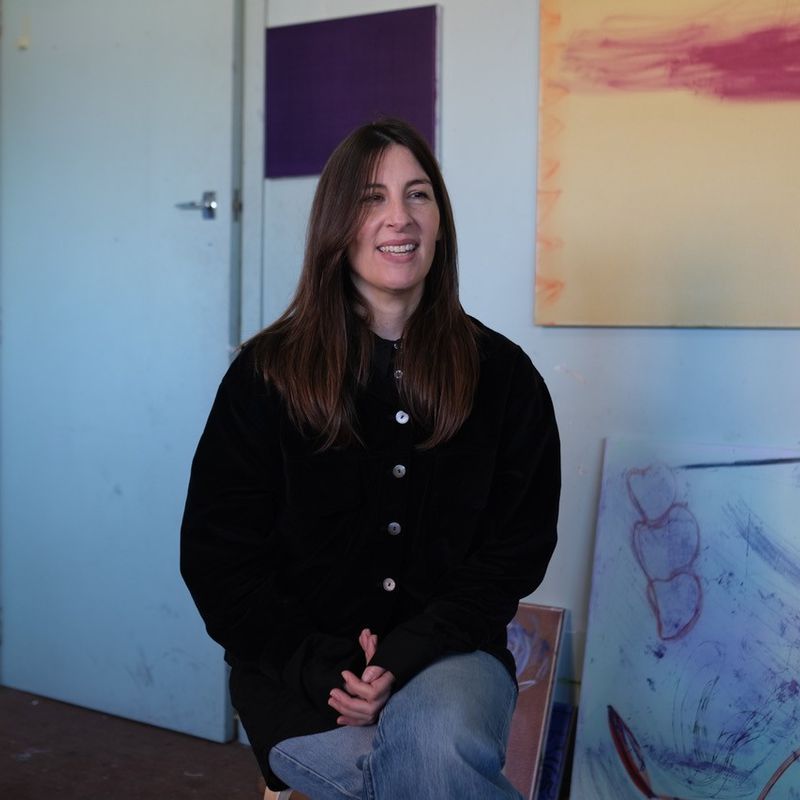
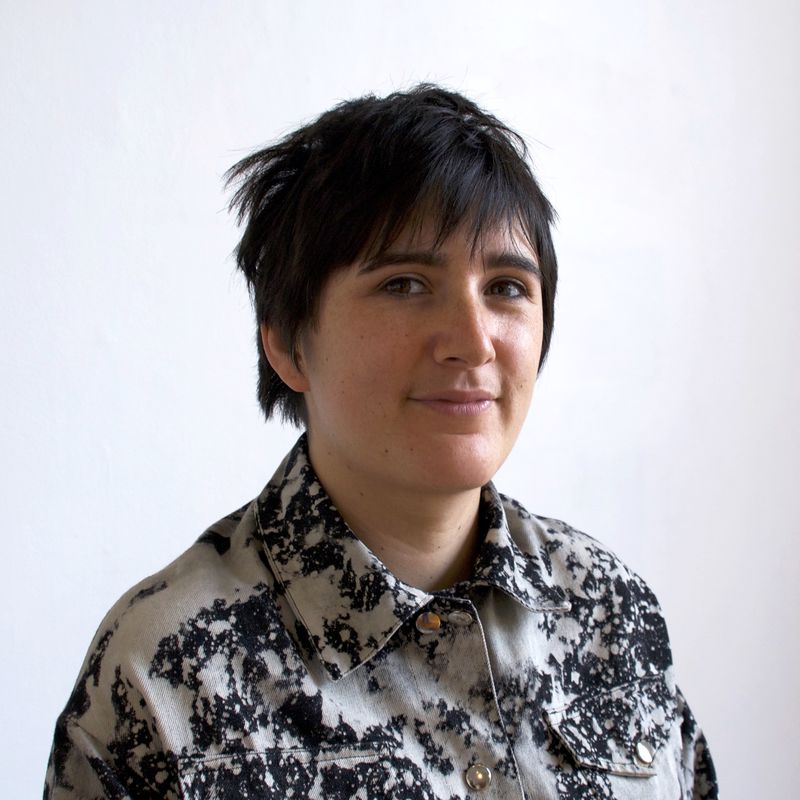
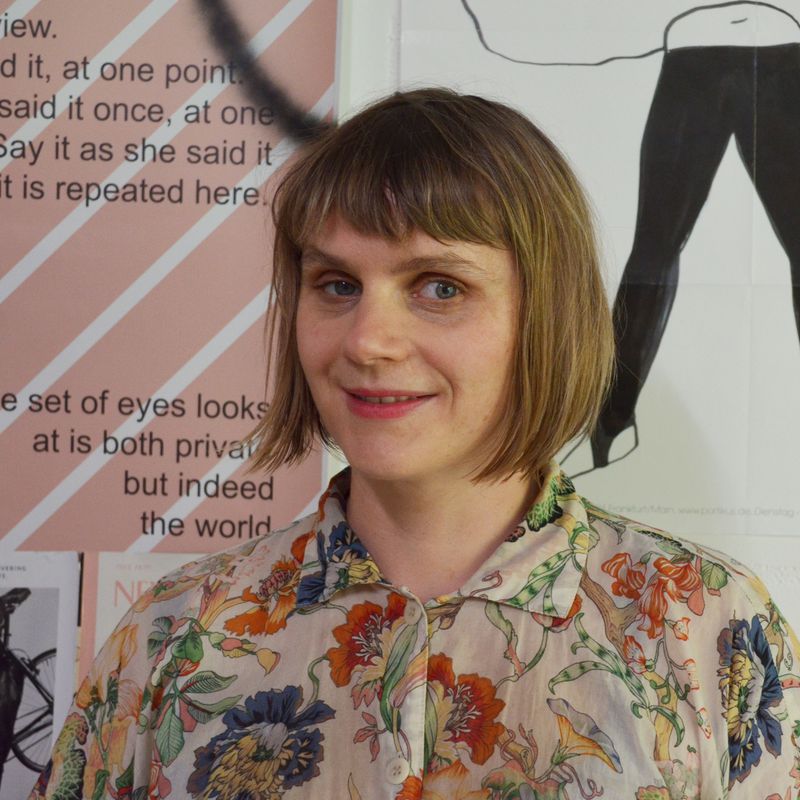
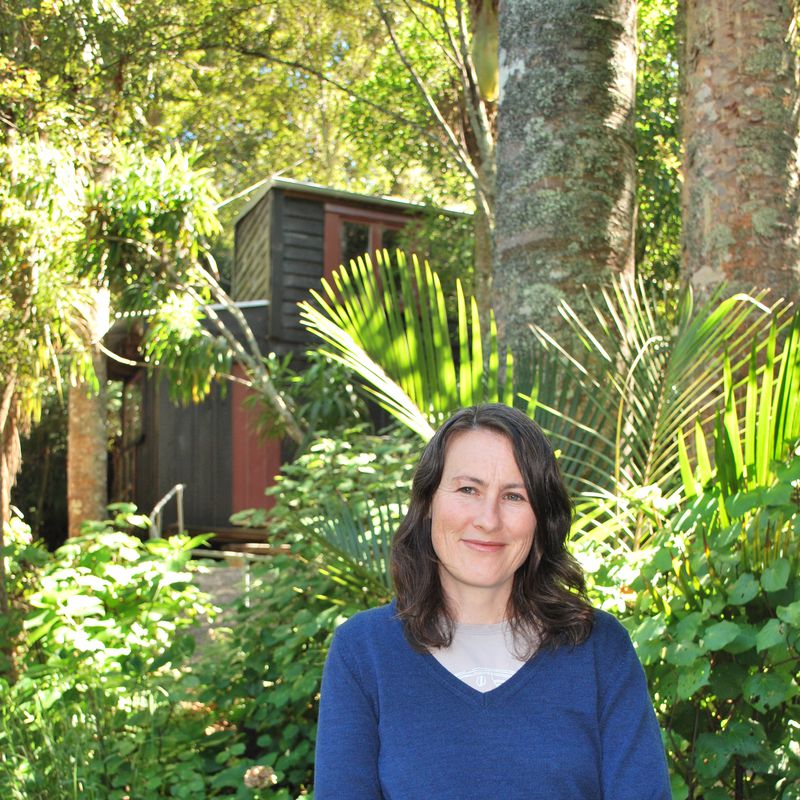
Sena Park is a Korean-born artist based in Aotearoa. Trained as a painter (BVA), she has expanded her practice to treat environments as extended surfaces for painting since completing her MFA at Elam, University of Auckland in 2015.
Park has undertaken multiple residencies and exhibitions across Aotearoa and parts of Asia. Her practice moves fluidly between painting, sculpture, and installation, with a focus on site-responsive projects that explore relationships between individuals, environments, and cultural narratives. She combines studio materials with found elements from specific contexts, using tactile, hand-crafted processes to create contemplative forms. Her work often blurs boundaries between constructed and organic, interior and exterior, artificial and natural.
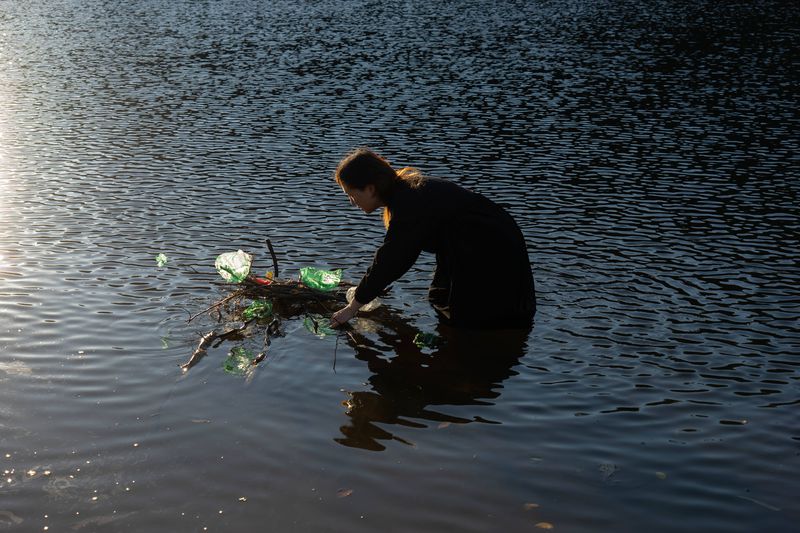
Site responsive study in Shoalhaven River 2026 Photo by Wendy Tian Hui Lin
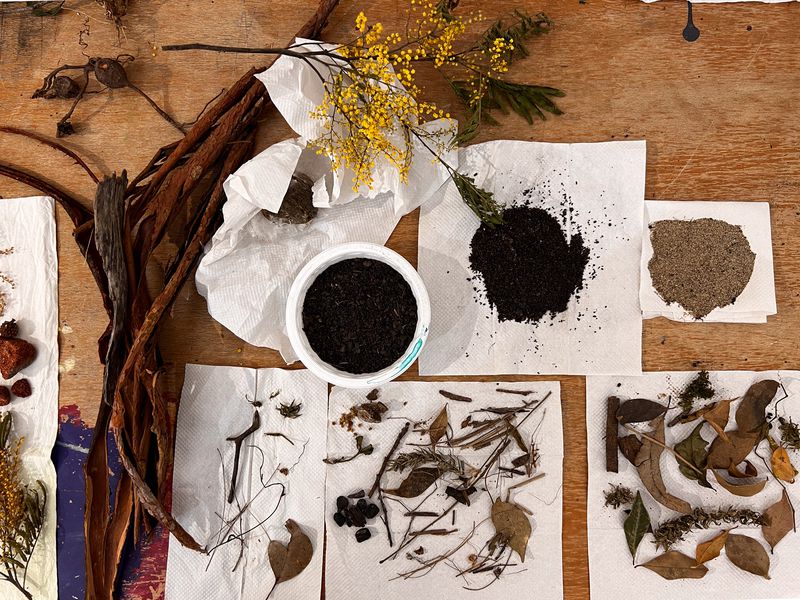
Found object collection in the studio, Bundanon 2026 Photo by Sena Park
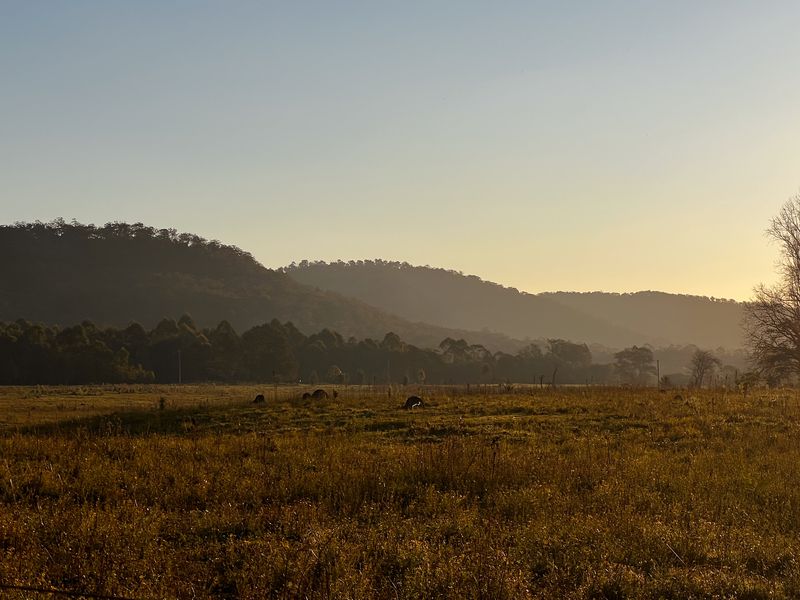
Site sketch, Bundanon 2026 Photo by Sena Park
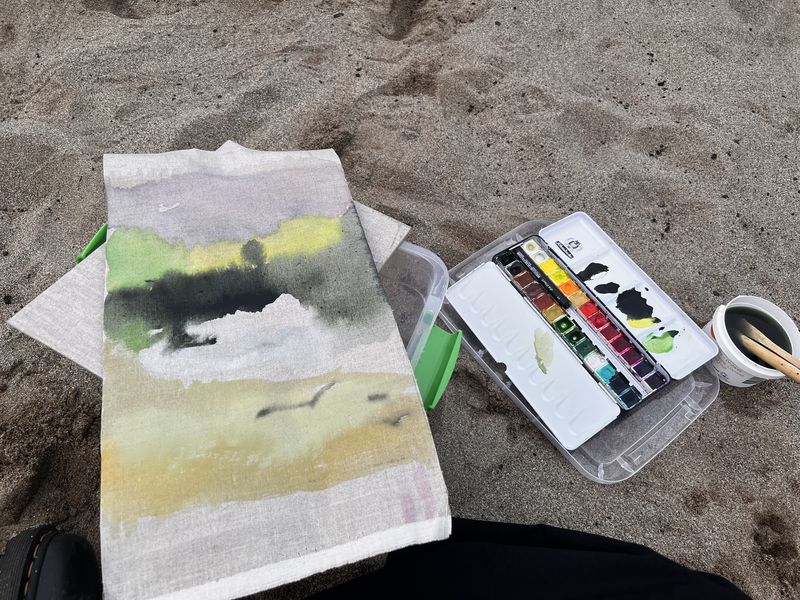
Painting on the Bundanon beach 2026 Photo by Sena Park
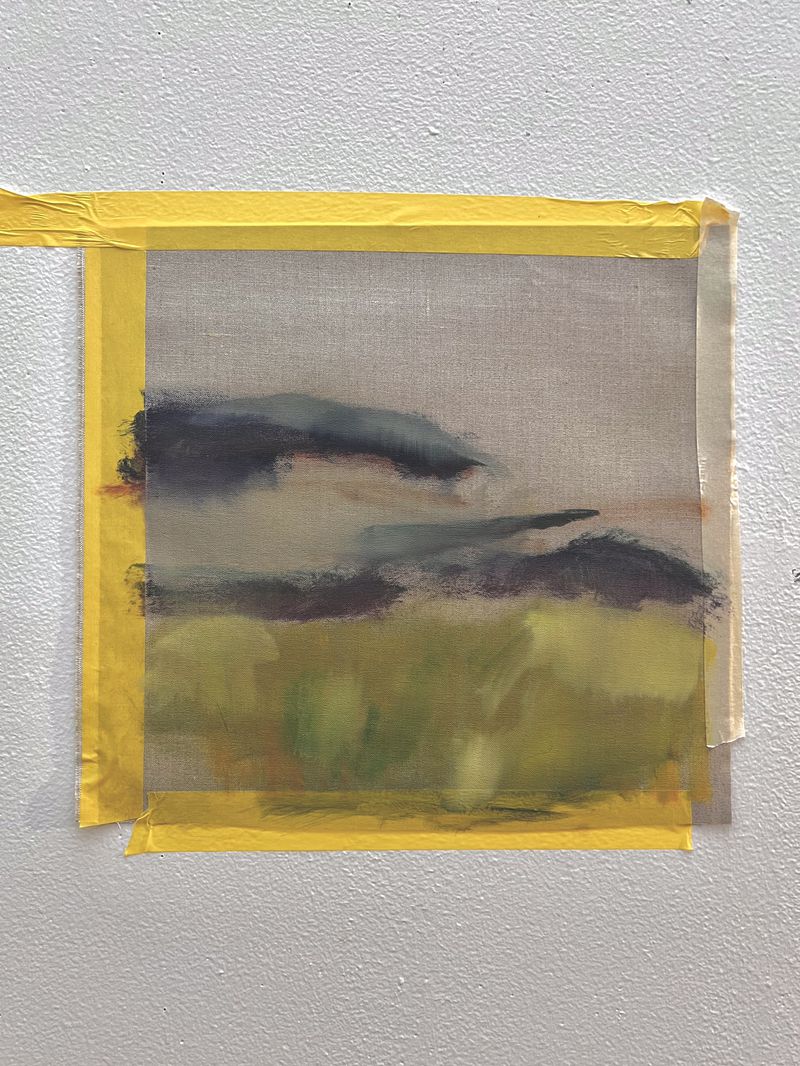
Work in progress, Painting in the studio, Bundanon 2026 Photo by Sena Park
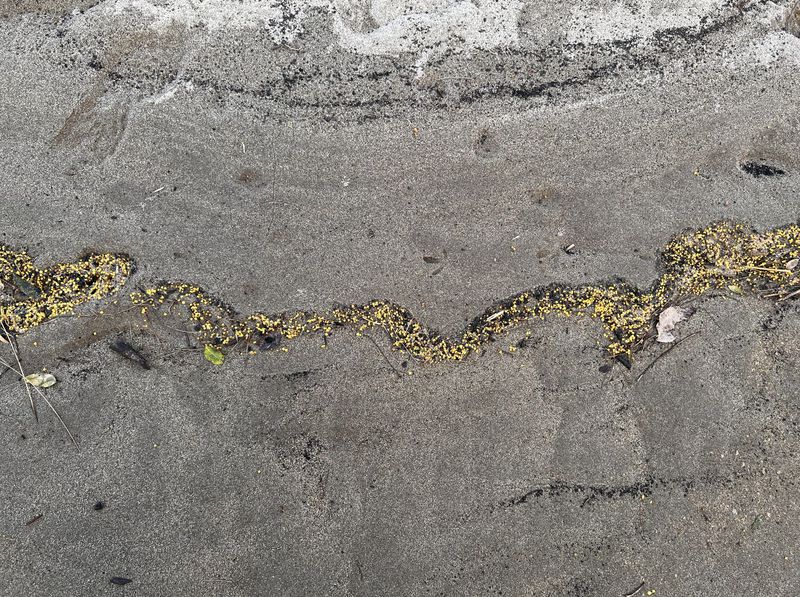
Drawing made by the river 2026 Photo by Sena Park
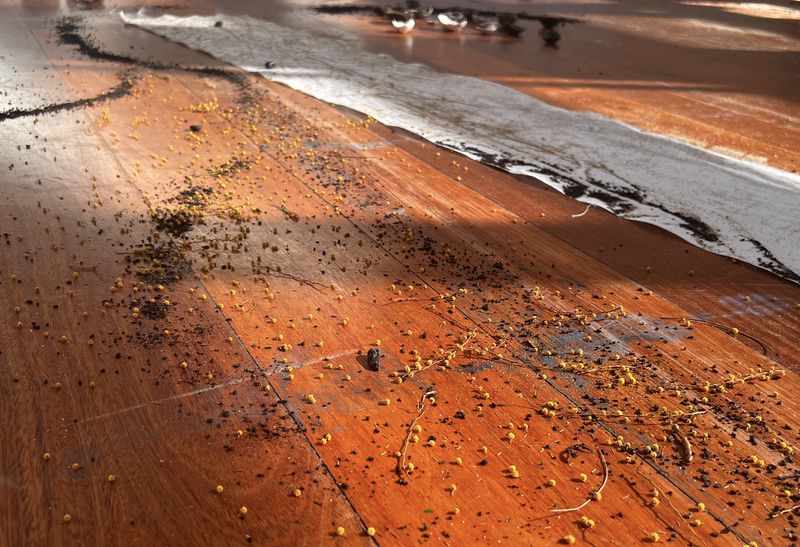
River shore in the studio, studio study, experimental installation in the studio, Bundanon 2026 Photo by Sena Park
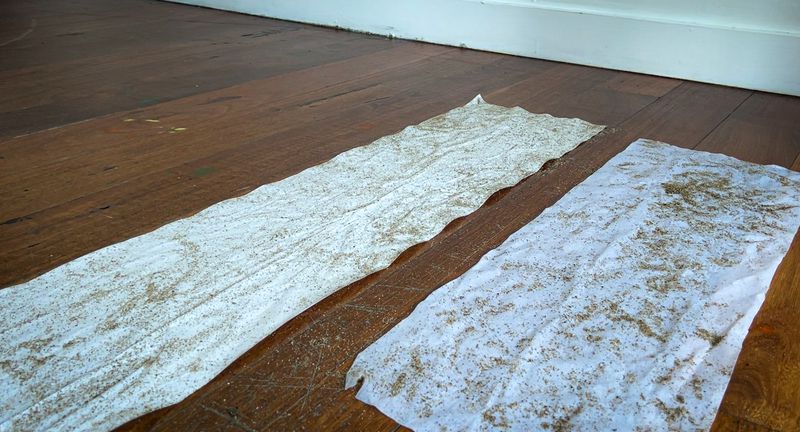
Work in progress, Drying river soaked paper in the studio, Bundanon 2026 Photo by Sena Park
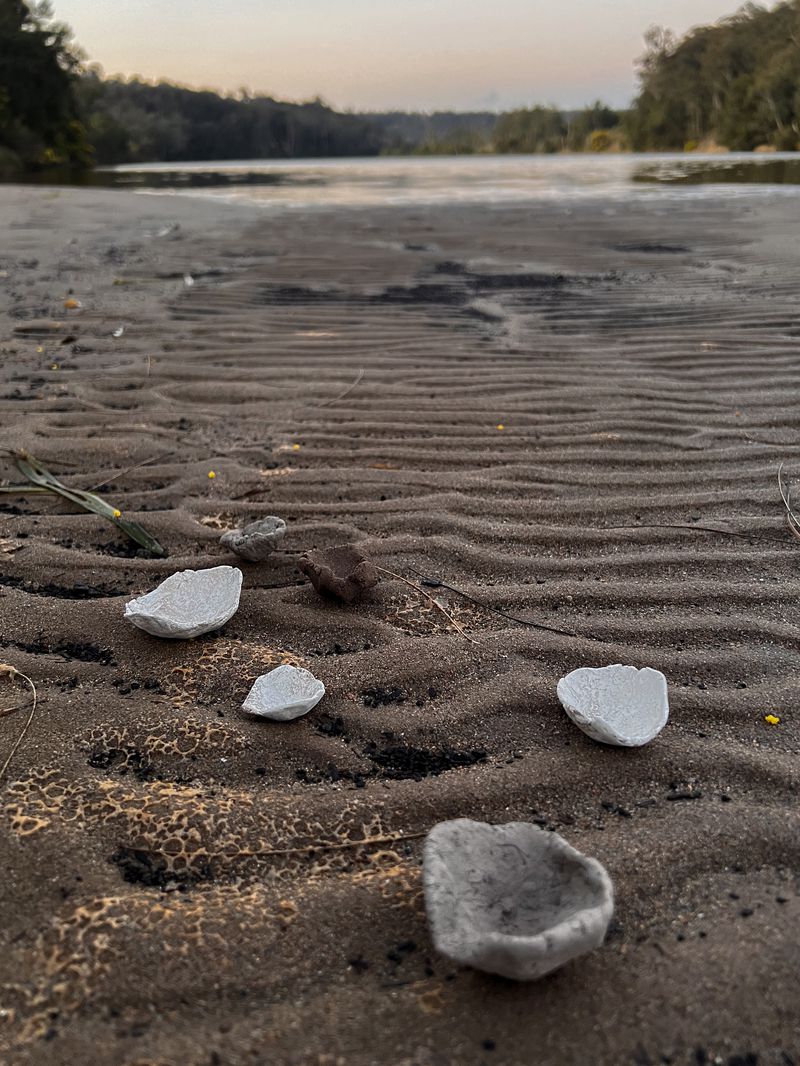
Site responsive study for ‘A vessel, a moment of passing (working title)’ at Bundanon beach, Shoalhaven River
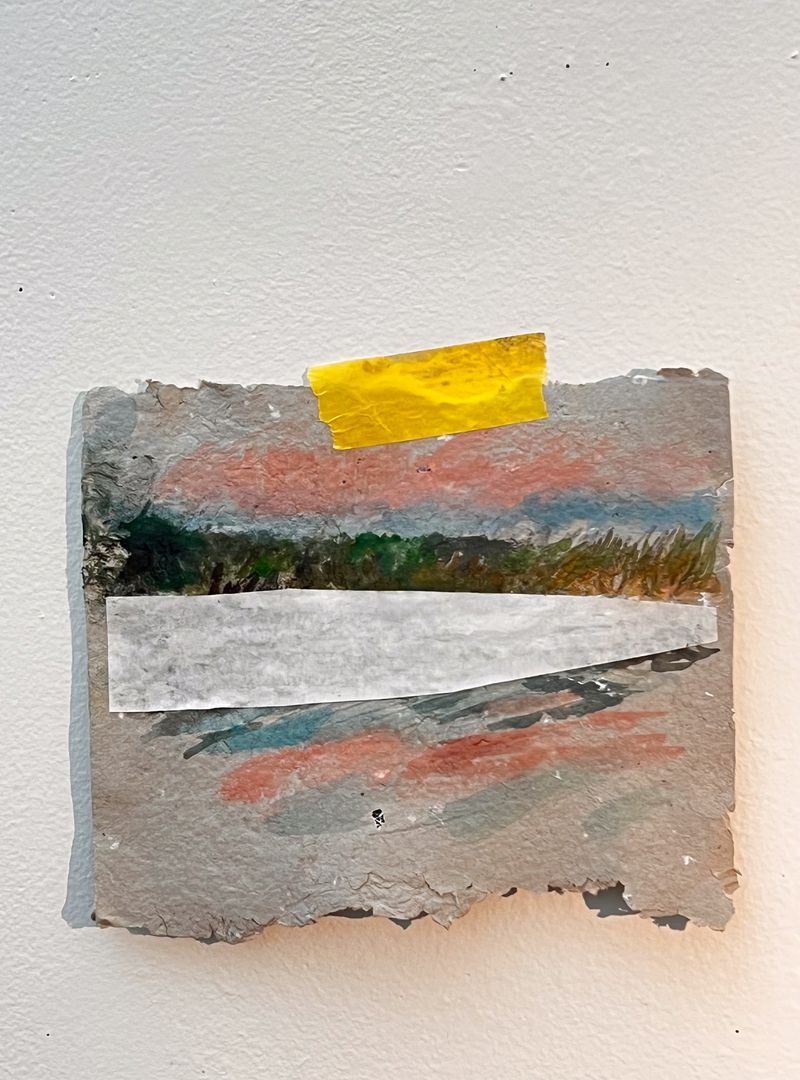
Collage painting on hand-made paper in the studio, Bundanon 2026 Photo by Sena Park
Sena Park is a Korean born artist, whose practice treats the space around a painting, as an extension of the canvas. For the McCahon House x Bundanon Residency Exchange, she travelled from Paihia to the bush and river property in New South Wales once home to painter Arthur Boyd.
Park arrived with a plan seeded eight years earlier, during a residency in Mongolia that first pulled her out of the gallery and into open land. Bundanon, she hoped, would let her pick that thread back up: to move from building artificial versions of nature indoors to intervening directly onto the natural landscape.
What she found instead was a residency that circled back on her own thinking. A fear of ticks that she couldn't shake and at times uncomfortable realisation that she had been doing to nature exactly what she has spent years critiquing in other people: choosing which parts of it to accept, and keeping the rest at a distance. It's a story of a residency that didn't go to plan and became more valuable for it.
Dina Jezdic
Your work seems to refuse the edge of the frame. It’s painting, but it’s also installation. How would you describe what you make to someone who has never walked into one of your spaces?
Sena Park
Generally, I'm trying to make painting happen in a space rather than on a wall. I want visitors to become part of the work while they're in it, to arrange the space itself as if it were the painting. My background is as a painter, but what I make now is closer to installation, made in the way a painter thinks.
DJ
That sounds so embodied. You're considering the body in the room, but also everything beyond it. It's almost as if the visitor becomes a collaborator.
SP
Collaborator isn't quite right, I think. They can be part of the work, but I also set limits. I don't want them to actually touch or change the work. There's something a little ironic there: I invite people in, and then I put up a barrier they're not meant to cross. I'm using the visitor as part of the work, but on my terms.
DJ
I love that tension. Bundanon wasn't your first time working abroad. Previously you completed residencies in Mongolia and Japan.How did this one come about, and what did you set out to do?
SP
The Mongolia residency was the real turning point. We were given a piece of land with no restrictions on size or location, completely different from a conventional gallery. It was a huge shift for me. In a way there wasalmost too much freedom at the time. It was also the first and, until Bundanon, the only time I'd worked outdoors. That was eight years ago. Since then, everything I've made has gone back to happening indoors. When I saw the Bundanon call, I thought, maybe this is the place I can pick that up again. In my application I talked about moving from constructing artificial nature inside a gallery to working directly in a real landscape.
DJ
That's a real reversal of your usual process and a shift for someone whose practice has largely lived in the gallery. Now that the residency is behind you, how close did the lived experience come to what you had firstimagined?
SP
It was actually the biggest departure from my proposal. I'd brought some existing work to test outdoors when I arrived, and it didn't hold up at all. One piece was meant to float on the water; I'd expected it to merge a little with the surroundings, but it looked completely artificial. I realised how much bigger nature is than what we register in everyday life. We're used to just passing through it. My object was tiny against it, and it simply didn'twork. That, along with a caution around ticks that I couldn't get past, made me stop and rethink the whole approach.
DJ
Bundanon has a particular character, cultivated land, river systems, and architecture all pressed up against each other, which sounds close to some of the tensions you're already drawn to in your work. Let's go right back to the beginning. What was your first real response to the site, before you'd started making anything?
SP
Honestly, for the first two days I felt like I was still at home. I'd been spending more time in Paihia than in Auckland recently, and Paihia is a very small town with only a handful of shops. So, when I arrived at Bundanon, I recognised the quiet immediately. A lot of the other artists who arrived at the same time were amazed by how still and untouched it felt. For me it was just familiar, and that worried me. I thought, what am I even going to find here if everything already feels like everyday life?
DJ
That's such an interesting worry, arriving somewhere everyone else finds extraordinary and feeling like you'venever left home. How did that sit with you, and how did you work through it?
SP
I actually went into the nearest town with one of the other artists, thinking I might find something there instead. But it wasn't a real change of scene, just a bigger suburb. Several people, even staff at Bundanon, suggested I hire a car and go further afield to find something more interesting. I thought about it, but I realised that if I did, I'd lose the whole reason I'd come. So I decided not to rent a car, and to stay inside that feeling of confinement instead of escaping it. I told myself: if I stay here and keep going every day, something will come out of it.
DJ
Staying put rather than escaping.
SP
Yes. On the first day there was a full induction about ticks, and I was the only one who really took it seriously.Most of the other artists barely gave it a thought, even once several of them had actually been bitten. For me it shaped my whole routine. I didn't want to spend long stretches in the bush, so my outdoor sessions were short. Two or three hours rather than a full day. Looking back, that caution became one of the more useful things about the residency, because it's what eventually showed me how selective I was being about which parts of nature I was willing to engage with.
DJ
So a very human limit ended up shaping the whole residency. You went in with a fairly specific plan, and plans like that rarely survive contact with an actual place unchanged. So how did that show up in the work itself?
SP
I decided the riverside felt safer than the bush, so I changed my daily routine and went there instead, every day, to film. That was new for me. I'd shot film once before for an earlier show, but I'd never edited video or worked with recording as a method. I didn't know exactly what I was making, so recording became the plan itself: I'd go to the river and just record what was there: the tide changing, the line of the water moving with it.
DJ
Working with a river means working with material that shifts on its own terms, which is a real departure from a studio practice built on construction and composition. Once you able to spend some time really paying attention, was there a moment where the place did something you didn't expect, and it changed your thinking?
SP
I started finding these small drawings the tide had left behind on the sand, marks made from natural debris, twigs and washed up material, arranged by the water moving in and out with the tide. I fell in love with them straight away. I didn't plan it, I just started collecting them, more and more, every day, and bringing them back to my studio. At some point I realised I had enough that I could actually rebuild something with them …not just record the riverbank on film, but remake the shape of it in the studio itself. That's really the moment I came back to studio-based practice. Up to that point I'd spent almost all my time outdoors, filming and collecting, but once I started arranging what I'd gathered into something resembling the river shore, I was working the way I normally do, just with completely different material.
DJ
What a lovely turn. You went out to escape the studio and ended up carrying the river back into it.
SP
Yes, and it wasn't really a decision I made on purpose. I just found myself sorting and categorising what I'dcollected, deciding this piece was for one thing and that piece for another, exactly how I normally work. It felt very natural to fall back into, even though I'd set out at Bundanon to work directly in the landscape rather than build a version of it indoors.
DJ
Alongside rebuilding the riverbank with what you'd gathered, you also tried carrying the water itself back. Is that right?
SP
I tried leaving plain paper in the river for a few minutes, letting it absorb the place before drying it out in the studio. It held up better than I expected, since it was really paper mache rather than something that would dissolve. Every time I lifted a sheet out, sand would come with it, caught in the wet surface, and once it dried, the sand separated and left its own texture behind. I realised afterwards that I was doing this because the site was only fifteen minutes from my studio; I could easily have just gone and looked at it, or kept only a film record. But I wanted to physically bring it back and keep it. That's when I started to notice how much I was thinking about nature in a human centered way, wanting to hold onto it rather than just witness it.
DJ
That feels like the real turn during your residency, realising you were doing the very thing you'd always questioned in others.
SP
Yes. The whole reason I started working with ideas of nature in the first place was because I found it ironic that we say we care for nature, but we're really carrying our own idea of it, not nature on its own terms. During this residency I started to notice I was doing exactly that, in the studio as much as anywhere else. I didn't want to go into the bush because of the ticks. I didn't want to engage with certain parts of the landscape because they felt dangerous or unpleasant to me. And then I turned around and rebuilt the parts I did like, on my own terms. I didn't fully realise this until near the end of the residency, but once I saw it, it deepened how I think about my whole body of work going forward. It's not just other people who discriminate against parts of the natural world. I do it too.
DJ
That is deeply self-reflecting. One of the throughlines in your practice is the idea that nature is never neutral, that it's shaped by memory, migration, and systems of control. Bundanon has two quite different sides, the wilder area where the artists stay and a more designed, publicly maintained side near the museum. Did that contrast sharpen the idea, complicate it, or push back against it in ways you didn't expect?
SP
It did. Where I stayed, the road wasn't even sealed, and it felt genuinely untended, almost neutral to me. I grew up in Seoul, and there was not much green around me at the time. When I first arrived in New Zealand, I believed the landscape was untouched. It was only after spending time in Mongolia that I began to see New Zealand’s landscape differently. So, the artist residency site at Bundanon felt natural enough to me. By contrast, the museum side, about thirty minutes away, had been designed so carefully that it looked completely natural to visitors. Unlike the tracks around the artist residency, the walking tracks near the museum seemed much more carefully arranged. They wound through small forests and streams and felt more like a planned scenic route for visitors. It made me think again about what counts as truly wild, and where the site I'd been given actually sat between those two things.
DJ
You've carried that same attentiveness to cultural misunderstanding and shifting perception through residencies in Mongolia, Thailand, China, and Japan, each a genuinely different context to land in. Where does this Australian experience sit in that sequence, and what did Bundanon give you that the others didn't?
SP
The others were defined by difference, a new culture, a new language, new food, a completely new daily rhythm. Bundanon started by feeling the opposite, too familiar, almost like being at home. But it was that sameness, not any novelty, that ended up pushing me further than the others did. Bundanon also never asked for a finished outcome, which gave me the space to just record and follow the material rather than produce something on a deadline.
DJ
That freedom sounds like a gift, and a slightly daunting one. Some residencies produce a finished body of work; others produce the beginning of one. Where does the work from Bundanon sit now that you're back in your own studio, and is there anything you think you'll carry into work that has nothing to do with this residency at all?
SP
The first thing would be to edit everything I filmed. I recorded almost every day from the start of the residencyand I want to see how the thinking actually moved across that time. Working with water as its own subject is new territory for me, and I want to keep developing that. I also want to sit with what I discovered about how selectively I engage with nature, because that's going to shape the next stage of this research. Not just what I make, but how I choose what to make it with.
DJ
Finally, on a more personal level... residencies land at different moments in an artist's life. What did this opportunity mean for you, arriving when it did?
SP
I'll be honest, the last couple of years have been hard, with very few chances to show work, especially here in Aotearoa. That's part of why I was looking overseas in the first place. So having this residency, on top of an exhibition earlier this year, meant a great deal. It gave me real confidence to keep going at a point where that wasn't easy to find. I'm grateful for it.
DJ
I think that's exactly the kind of richness a residency like this can offer: you can plan for one thing, and the work and the place lead you somewhere else entirely. It sounds like you found something in yourself as much as in the landscape.
SP
Exactly. I think that's the main thing I'll take from it.